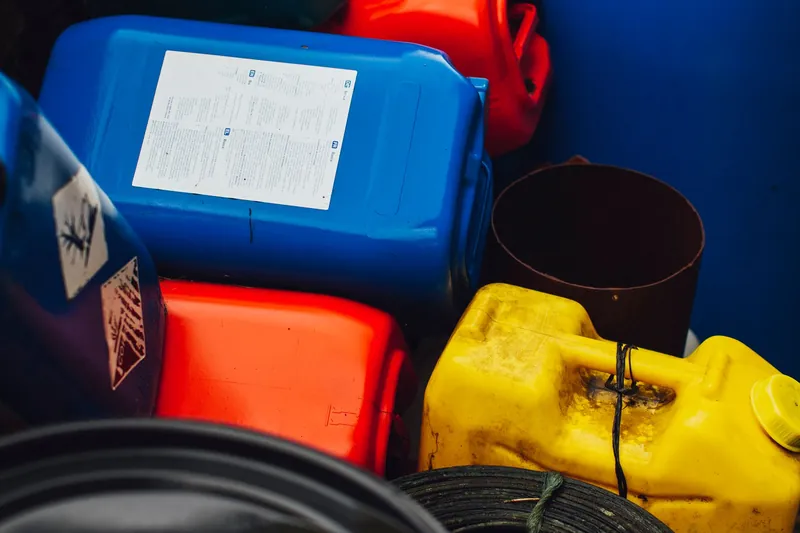
Chemical and Toxic Waste Cleanup
Safe disposal is included with chemical and toxic waste cleanup.
See chemical and toxic waste cleanupGet hazardous materials, chemical residue and contaminated items assessed and cleaned in Spring Valley. The hazard is identified first so containment, protective equipment, cleaning and waste disposal fit the material.
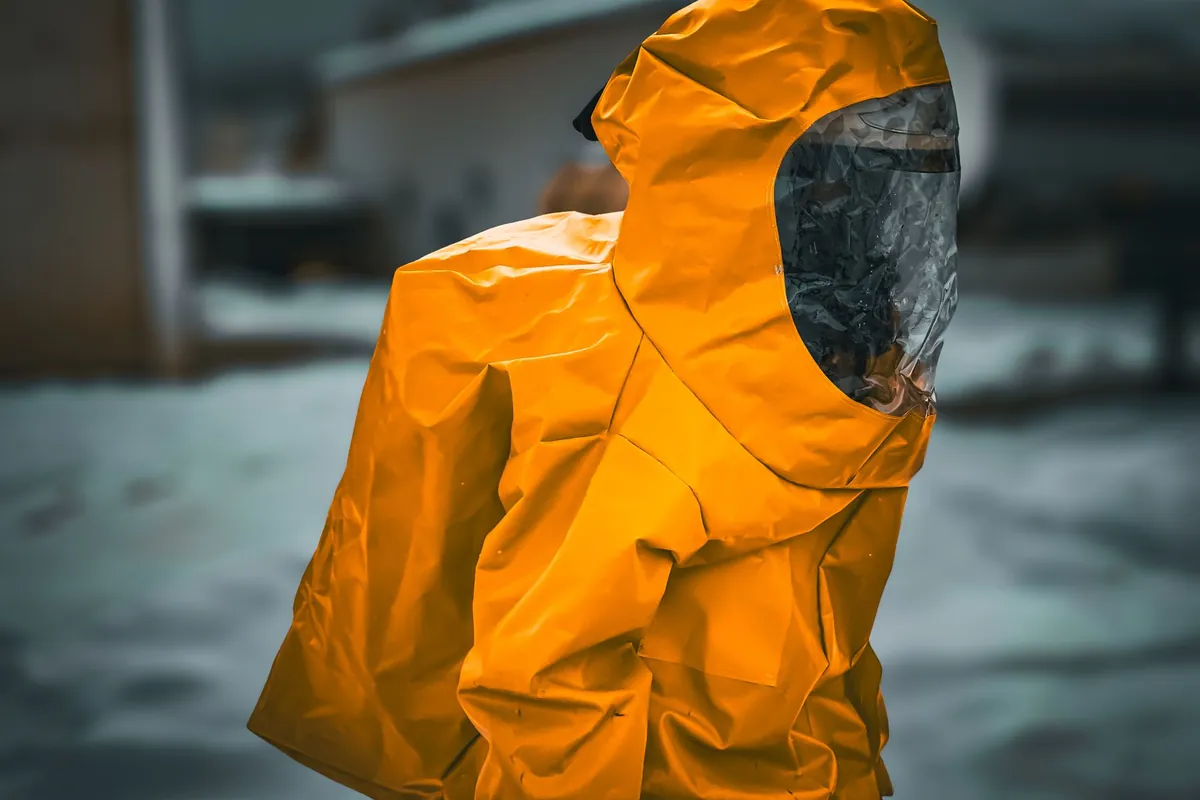
Hazmat cleanup is the controlled removal or treatment of hazardous materials that can harm people, property or the environment through contact, breathing, fire, reaction or contamination.
Unknown powders, corrosive materials, fuel residue, toxic waste, chemical spills and biological hazards are among the possible concerns. Blood or bodily fluids may expose people to bloodborne pathogens. Chemicals present other dangers, including harmful vapor, poisoning, burns and reactions. A cleaner must account for these differences rather than apply one product and one method to every material.
The cleanup process begins with information. A product label, Safety Data Sheet, container, incident report or testing may help identify the material. The affected area and surrounding areas are then controlled. Cleanup technicians select protective gear, tools, absorbents and containers that fit the substance. Contaminated materials are cleaned when that can be done safely, or removed for proper waste disposal when they cannot be kept.
Daytime and nighttime calls are answered. Cleanup crews use unmarked vehicles. Your conversation can stay private from people visiting or living nearby.
You hear what is known, what still needs identification and how the proposed work addresses the affected area before you decide how to move forward.
You can use pictures, the cleanup scope, waste documents and a list of removed items when insurance companies or property managers ask for details.
Cleanable contents are separated from belongings that absorbed contamination. You are included in decisions about important items whenever conditions permit safe access.
Hazmat cleaning services are needed when normal cleaning could expose you to a hazardous substance or spread it to another surface. Common situations include:
A decontamination plan matched to the material is needed before protective equipment, machines or tools can be moved, handled or returned to use.
Biological material such as bodily fluids, blood or sharps needs a plan distinct from chemical-residue work, with precautions for bloodborne pathogens.
A managed building, shop, workplace or warehouse may need the area contained and cleaned under controlled conditions, with records kept for the owner or insurance company.
Ordinary household cleaning should not disturb spilled chemicals, unidentified material or mixed containers found in a basement, garage, workshop or storage space.
Start by protecting yourself from exposure and limiting further spread. Take these steps before professional cleanup starts:
Call (888) 440-9227For a small to mid-size space, the published per-job range starts at $4,000 and reaches $40,000 for each job. The source, One and Done Prep, calls its guide Hazmat Cleaning Cost. It gives initial cleanup with containment a range starting at $6 and ending at $20 per square foot. Wide cost differences reflect the material, square footage, containment needs, waste disposal, inspections and permits. The site needs an assessment before anyone can set the final price.
The figures shown are national ranges from published cost guides and are not based on an on-site visit. You learn what your property will cost after the on-site assessment and before any work begins.
Ask about cost: (888) 440-9227Insurance may cover hazmat cleanup when the cause is covered by the policy, but contamination exclusions, deductibles and limits can affect payment.
Explain to your insurance company where the contamination happened and what led to it. Request policy details for contamination cleanup, waste disposal, material damage and restoration.
Local obligations and the details of the policy, lease and event may affect who pays and organizes the work. Do not agree that you are responsible until the documentation and circumstances have been examined.
Check with the adjuster before work starts, as long as waiting does not create a problem. Keep a cleanup plan, pictures, disposal records and a list of removed materials to support the claim explanation.
Business and property owners should retain incident notes, an inventory, records from the cleanup service and photographs of the affected area captured safely.
Professional hazmat work proceeds in a controlled sequence, although the material determines the precise cleaning method. Each stage is intended to contain contamination within affected spaces while keeping clean areas protected.
Crews examine known details of the event and consult available labels and Safety Data Sheets. Crews trace possible movement beyond the affected area and map exposed surfaces before cleanup.
Occupants and uncontaminated rooms are kept outside the controlled work zone. Openings and travel paths are controlled when the material could move beyond the original spot.
Protective clothing, gloves, eyewear and respiratory gear must suit both the identified hazard and the cleanup activity. A universal kit is not appropriate.
The source is stopped when that can be done safely. Nonreactive absorbents, containers or controls are chosen to contain the substance.
Cleanable surfaces and equipment receive a method suited to the contaminant. Biological residue is treated with an EPA-registered disinfectant for the full label contact time.
Porous or damaged items that cannot be safely cleaned are separated, packaged and documented. You help evaluate personal property before disposal whenever conditions make that safe.
Once the substance is known, waste goes into sealed containers compatible with it and follows the required disposal route. Documentation may help complete property and insurance records.
The work area is checked against the cleanup scope. You receive details about cleaned surfaces, removed materials and any remaining need for repairs or separate restoration services.
You can call anytime. Your hazmat cleanup specialist answers the phone, describes what happens next and works with you on a start time.
Contact with hazardous material can seriously harm health through breathing, puncture, swallowing or skin exposure. Using an unsuitable cleaner may also spread it or trigger a reaction.
Shelving, baseboards and floor joints can conceal migrating material, while a vehicle cabin can carry it farther. Residue can be left in place if you clean only the apparent spill.
Dust, fumes and liquid substances can cause problems for the eyes, skin or respiratory system. The correct protective equipment depends on the identified substance, its concentration and how exposure can occur.
Used absorbent, damaged contents, disposable protective gear and cleanup water may need a controlled waste path based on what contaminated them.
Can you clean it yourself? Limited spill size does not mean there is no danger. Use directions from the Safety Data Sheet and product label only when you know the substance, have a controlled release and see that the guidance applies clearly. An unknown, highly toxic, reactive or expanding release should remain untouched, and urgent danger calls for an emergency response.
There is no safe fixed timeline for hazmat cleaning until the material, affected area and disposal needs are known. Work may also wait for an active hazard to be controlled or for required testing, permits or inspections.
| Scene | Typical time on site |
|---|---|
| Known hazardous material limited to one location | Duration is estimated once the property has been evaluated |
| Multiple affected areas or an unidentified substance | Assessment of the hazard and affected space precedes cleanup |
| Required inspections, special waste disposal or building material removal | Completion depends on every required phase |
A smell may signal a problem, yet it cannot tell you which substance is present or confirm the space is safe. Never move in close to locate an odor. To remove it, first identify the material responsible and either treat that material or take it away.
Once the source is gone, the assessment covers porous items, surfaces and routes where air may have moved. Air-cleaning equipment or ventilation must be appropriate for the identified material, since airflow can carry certain vapors or dust. Adding fragrance does no more than mask the odor. Decisions about final air quality depend on the substance, work scope and any testing the situation requires.
Federal rule 29 CFR 1910.1030 sets requirements for protective equipment, training and handling when workers may be exposed to blood or other potentially infectious material.
The product used on biological material should carry EPA registration and remain wet as long as its label specifies for contact. A disinfectant should not be used as a universal chemical neutralizer.
North Carolina treats soaked materials from a biohazard scene as medical waste. Rules from the state Department of Environmental Quality's Solid Waste Section control how it is packaged, stored, transported and treated, so it cannot go in household trash.
Local health and building rules can affect how a contaminated room is cleaned and when it can be used again, so mention any notice you have received from the city or county.
The full hazmat cleanup guide covers what is cleaned or removed, odor and air quality work, and the rules that apply in North Carolina and Wake County.
Read the full hazmat cleanup guide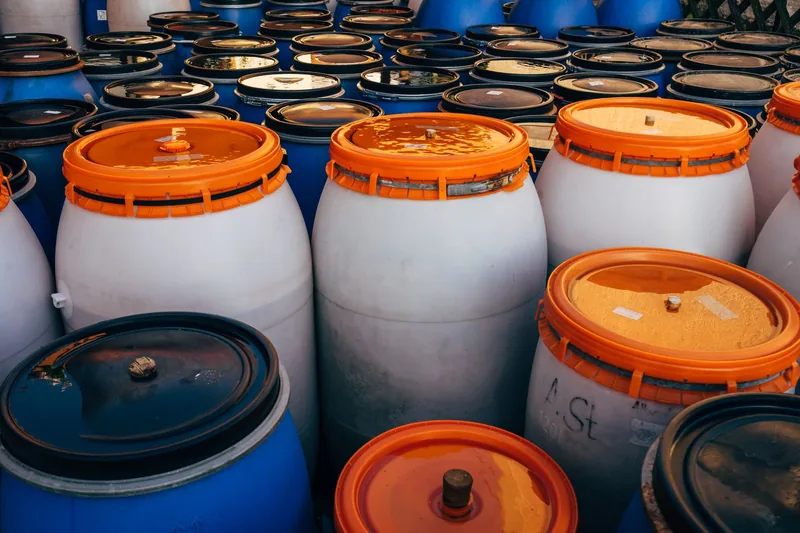
Local population patterns, housing and site access may affect how containment and cleanup are planned.
Knowing that Rex Hospital is about 3.2 miles away helps households plan where to seek care before arranging scene cleanup.
The surrounding area includes Spring Hill, everett-and-smith-land, and Ramblewood, so cleanup travel may cross several local streets or municipal boundaries.
The neighborhood setting makes privacy especially important when equipment must pass through sidewalks, lobbies, or other visible common areas.
You can ask about cleanup in nearby communities and ZIP codes during the call.
Safe disposal is included with chemical and toxic waste cleanup.
See chemical and toxic waste cleanup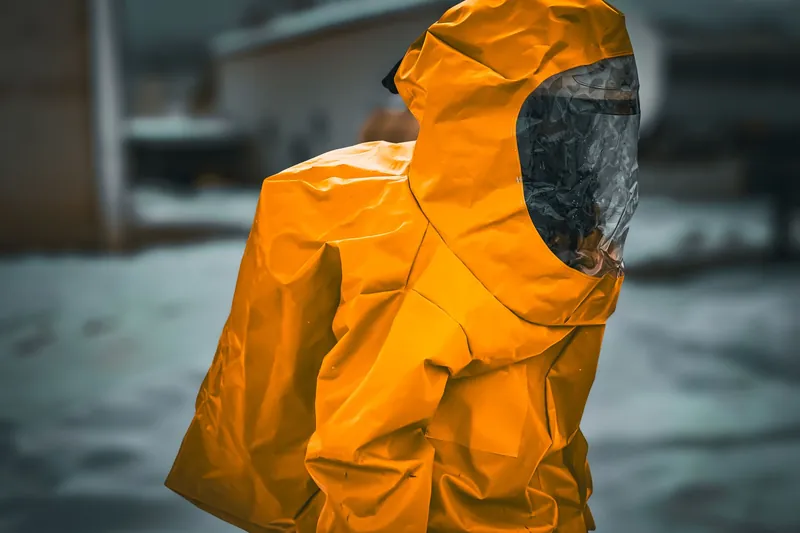
Cleanup removes infectious material, including blood and body fluids, and disinfects the property.
See biohazard cleanup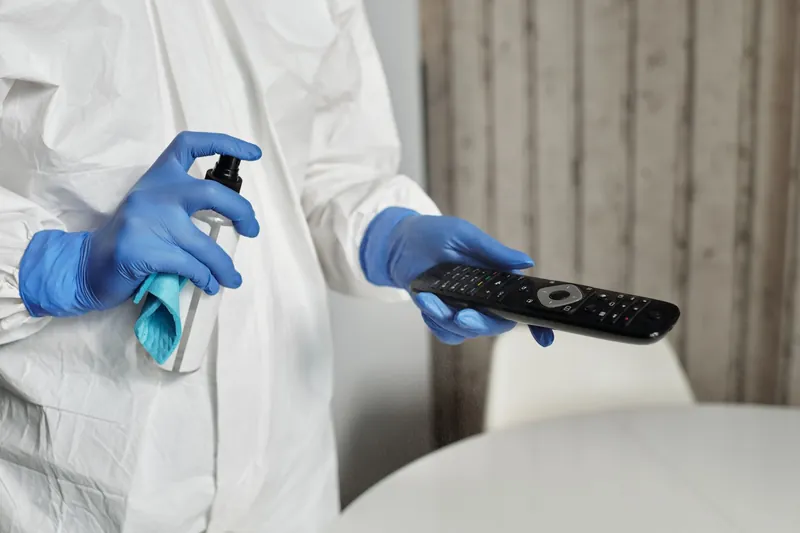
Biological remediation that removes contamination and returns a space to safe use.
See biohazard remediation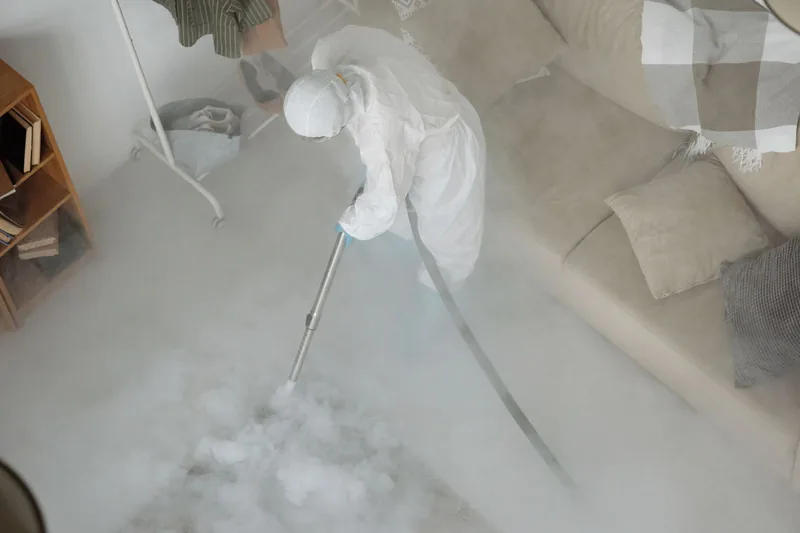
Full decontamination of rooms, surfaces and air after infectious or hazardous exposure.
See biohazard decontamination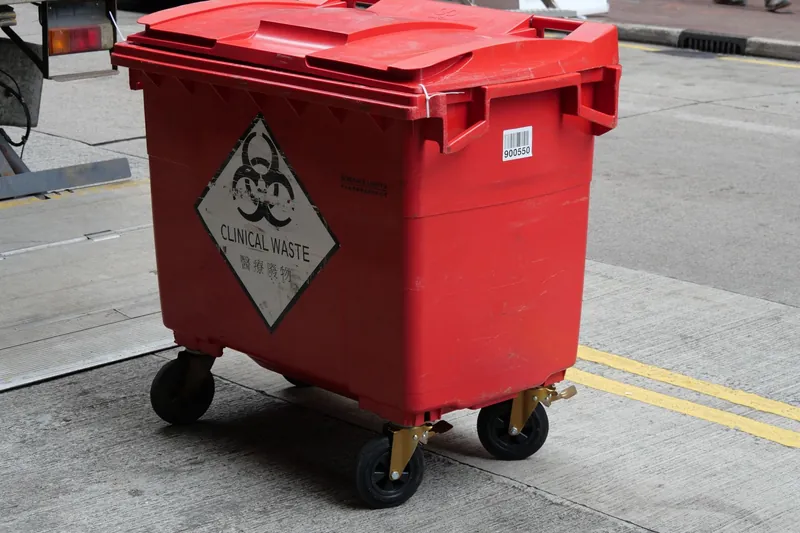
Medical waste removal and disposal through approved treatment facilities.
See medical waste removal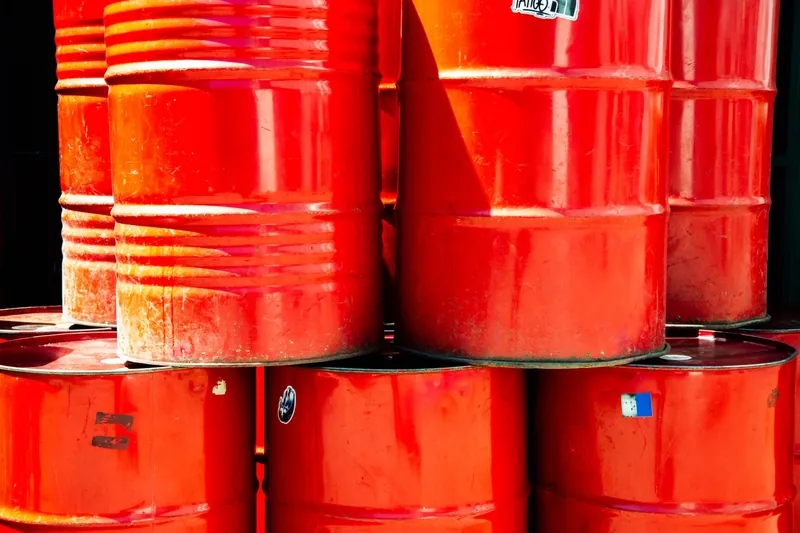
Biohazard waste is collected in labeled, sealed containers and taken for disposal.
See biohazard waste disposal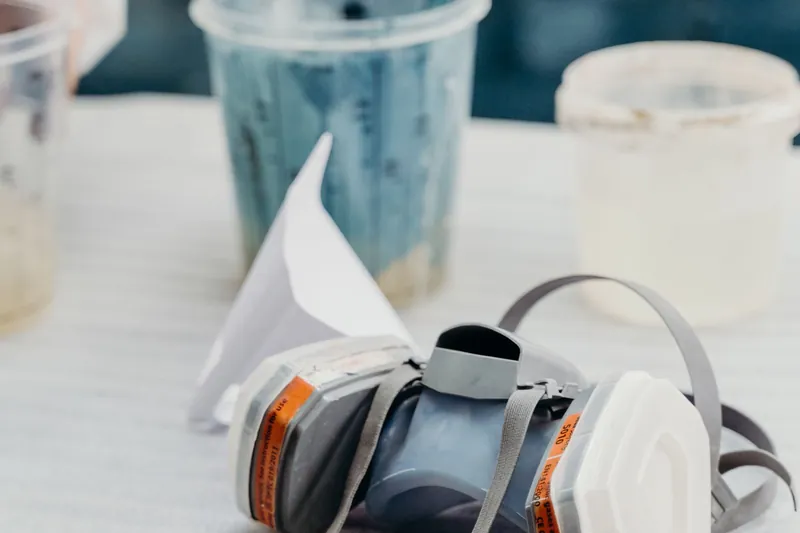
Residue tests, decontamination and clearance procedures are all part of meth lab cleanup.
See meth lab cleanup
Affected rooms, vehicle interiors and surfaces are decontaminated after fentanyl exposure.
See fentanyl decontaminationSome hazmat cleaning companies work with both biological and chemical contamination, but the skills, protective equipment and waste path are not identical. When calling, explain what the material is, how much spilled, its container and the surfaces involved. An active spill, chemical reaction or breathing problem requires you to exit the space and dial 911 before cleanup is arranged.
First identify the material without opening, smelling or mixing it. Keep people away and use the label or Safety Data Sheet to find safe directions. Disposal depends on the substance and local rules. Do not place an unknown chemical, contaminated absorbent or leaking container in household trash unless the applicable instructions clearly allow it.
Spraying a disinfecting product alone does not complete the work. Crews should compare the finished area with the work plan only after completing removal, cleaning and the entire disinfectant contact period. Crews need to seal the waste, take it from the site and follow the appropriate disposal route. The cleanup file should list what crews treated and took away, along with outstanding repair needs.
Sometimes. Whether a tool can be saved is based on the substance, its construction and seams, electronic parts and cleaning restrictions from the manufacturer. Equipment with a smooth, compatible surface may be decontaminated. Safe cleaning may not be possible for parts that are porous, damaged or inaccessible. Leave contaminated equipment switched off and in place until someone evaluates both the hazard and the item's condition.
For small to mid-size areas, the Hazmat Cleaning Cost guide from One and Done Prep gives $4,000 to $40,000 per job, with initial containment and cleanup listed at $6 to $20 per square foot. Your total is shaped by the substance involved, size of the space, containment, protective equipment, disposal, accessibility and any inspection or permit requirements.
Until the substance and cleanup scope have been established, the duration cannot be estimated safely. An identified hazard contained in a defined space is easier to scope than material requiring special disposal or spreading through hidden paths and several rooms. The timeline reflects how long hazard identification, containment, cleaning, removal, waste management, repairs and required inspections take.
You can request respectful, discreet hazmat cleanup 24 hours a day, and crews use unmarked vehicles.